
Key facts in 20 seconds
- The seal at the bottom of a garage door comes in a few shapes that are not interchangeable: T-type, bulb, bead, J-type (nail-on) and P-bulb / U-shape. The shape must match the metal or vinyl retainer on the door.
- Material matters more than shape in Minnesota: cheap vinyl goes stiff below freezing and cracks; EPDM rubber stays soft at −20 °F. That’s what I install.
- A floor threshold (glued to the concrete) fixes gaps from a cracked, sloped or heaved slab that a door seal alone can’t close.
- To size a replacement, pull a piece of the old seal, measure its flat width (usually 3", 4" or 5½") and match the end shape; retainer length = door width.
- A seal frozen to the floor is the number-one winter “my door won’t open” call. Don’t run the opener; see the fix below.
I’m David, owner of David’s Urgent Garage Door in St. Louis Park. Every fall I replace dozens of bottom seals, and every January I get calls about doors frozen to the floor because the wrong seal was put on. Here’s how the types differ, which one your door takes, and what actually works through a Minnesota winter.
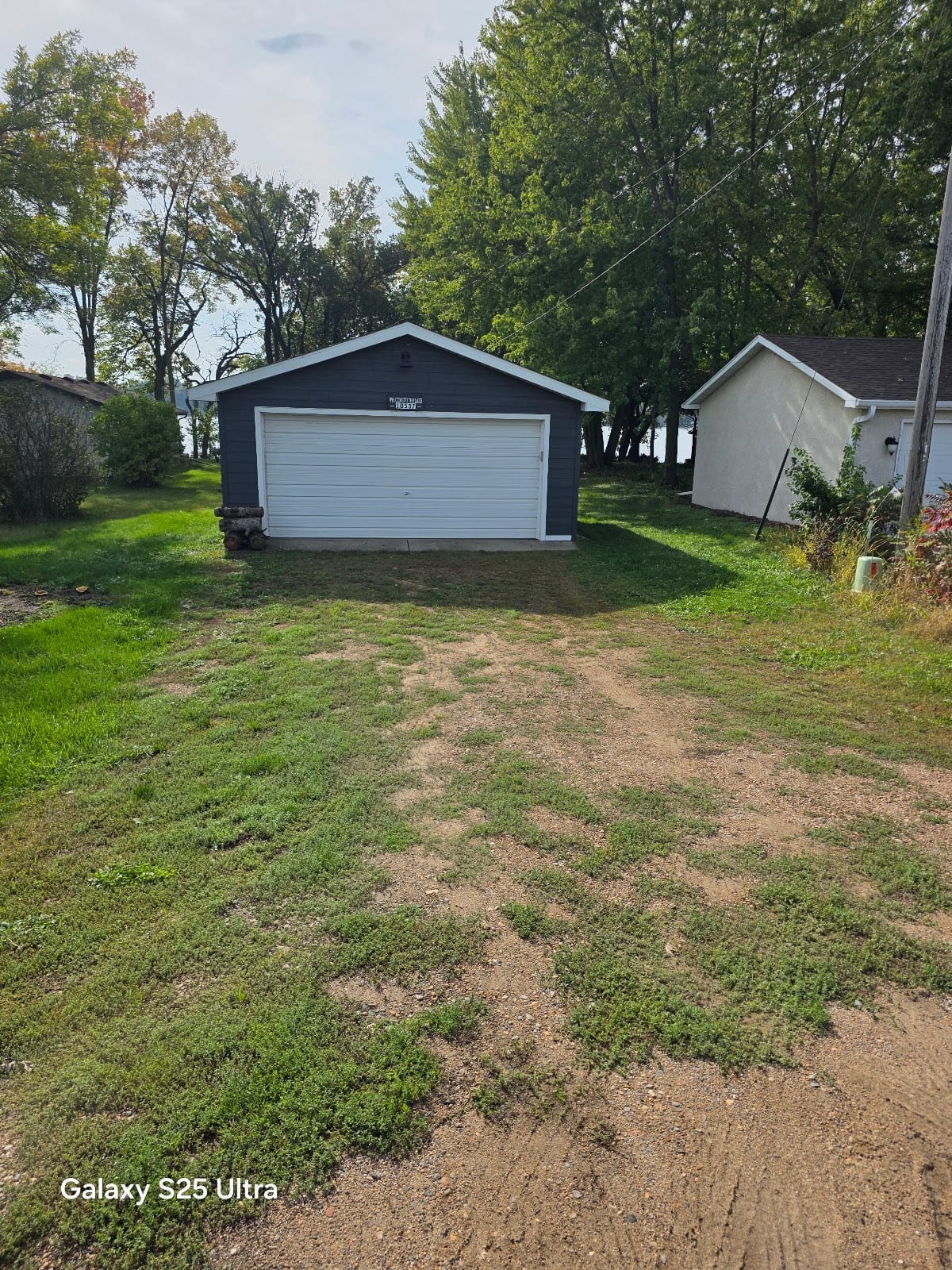
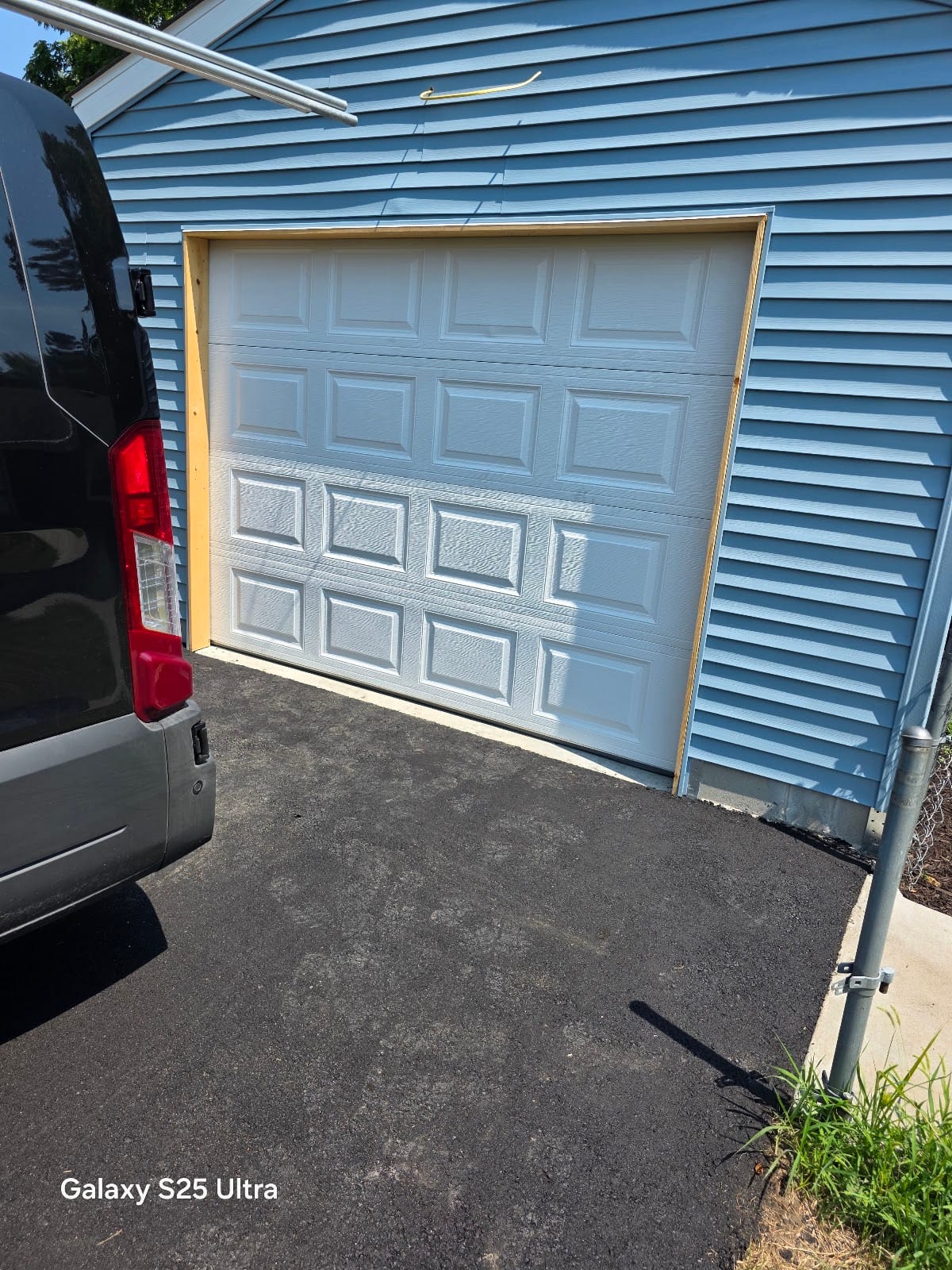
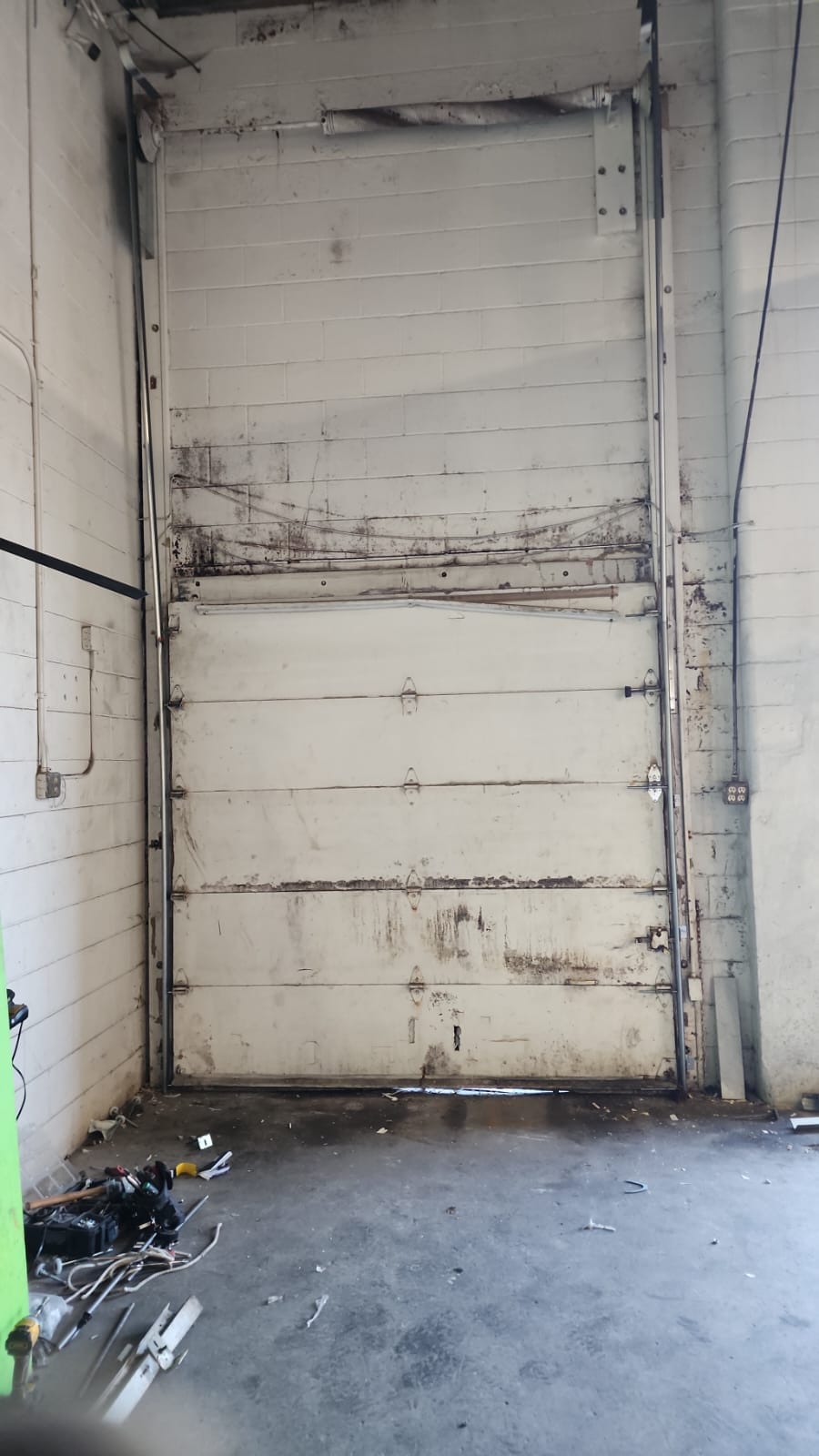
Bottom seal types compared
| Type | How it attaches | Typical doors | Notes |
|---|---|---|---|
| T-type | Two T-shaped ends slide into a double-channel aluminum retainer. | Most steel doors (Clopay, Amarr, DoorLink, many Haas). | The most common replacement. Check T size: ¼" is standard; some retainers take 5/16". |
| Bulb | Round, hollow bulb with T or bead ends in the same kind of retainer. | Steel doors on uneven floors. | Compresses more than a flat T seal; the fix for a slab that dips ½–¾" in the middle. |
| Bead | Small round beads (about 3/16") slide into a bead-style retainer. | Wayne Dalton and some older steel doors. | Looks like a T seal but won’t stay in a T retainer. Measure the old one. |
| J-type (nail-on) | Nailed or stapled to the bottom of the door; the edges form a “J”. | Wood doors, older one-piece doors. | Rotting wood under an old J seal is common here; sometimes a new bottom rail is the real fix. |
| P-bulb / U-shape | One or two rounded channels; brand-specific retainer. | Some Clopay / Ideal / Windsor doors. | Order by door brand or bring me a 6" piece of the old seal. |
| Floor threshold | Rubber strip glued to the concrete under the closed door. | Any door; sloped, cracked or heaved slabs. | Blocks water, leaves and mice at the floor line. ½" or ¾" tall. Works with the door seal, not instead of it. |
Vinyl vs rubber (EPDM): the Minnesota question
- Vinyl (PVC) seals are what most big-box stores sell. They’re fine until about 20 °F; below that they stiffen, stop sealing, and crack at the corners within a couple of winters.
- EPDM rubber seals stay flexible to about −40 °F, don’t take a set, and last roughly twice as long. They cost a little more per foot; on a 16-ft door the difference is small compared with the labor to do it twice.
- Retainers: aluminum is standard; if the old aluminum retainer is bent or the screws have rusted out, replace it with the seal. A vinyl retainer is fine on light doors but gets brittle in the cold.
How to measure for a replacement
- Open the door a foot, look at the bottom edge. Is the seal in a metal/vinyl channel (T, bulb, bead, P) or nailed on (J)?
- Slide 6" of the old seal out of the end of the retainer (or cut a piece if it’s nailed on).
- Lay it flat and measure the width across: 3", 4" and 5½" are common. A wider seal on an uneven floor closes a bigger gap; too wide and it bunches and freezes.
- Look at the ends: T (flat bar), bead (small round), or a larger bulb.
- Measure door width for the length; buy a foot extra and trim.
- Text me a photo of the old seal’s profile at (651) 417-2840 if you’re not sure; it’s a 10-second identification.
Replacing it (what I do on site)
- Open the retainer ends, slide the old seal out, clean the channel of ice and grit.
- Soap the channel lightly and slide the new seal in with the bulb facing the floor, trim with a utility knife, close the retainer ends so it can’t walk out.
- Check the door’s close limit on the opener: a new, thicker seal can make the opener think it hit something and reverse. See why doors won’t close in cold weather.
- Check the floor: if daylight still shows at one corner, the slab is out of level and a threshold or a bulb seal is the answer, not a wider seal.
- While I’m there: the side and top weatherstrip (the vinyl flaps on the jambs) usually need replacing at the same time; the bottom seal gets the blame for drafts the jambs are causing. See the weather seal replacement page.
Seal frozen to the floor: the right way to free it
- Don’t press the opener button. The motor will tear the seal out of the retainer, or the bottom section will bend before the ice lets go.
- Pull the red release cord, then push the door gently with your hands at the bottom; if it won’t budge, pour warm (not boiling) water along the seal line or use a hair dryer on the corners.
- Once it’s free, scrape the ice ridge off the floor and dry the seal.
- Prevent it: wipe a thin coat of silicone spray on the seal (never oil or grease; they rot rubber), keep snow and slush from piling against the door, and skip rock salt on the apron right at the door; it eats the seal and the bottom brackets. More in frozen garage door stuck to the floor.
Bottom seals – FAQ
How do I know which bottom seal my garage door takes?
Pull out a piece and look at the ends: flat T ends, small round beads, a big round bulb, or a nailed-on J. Match the shape and the flat width; brand (Wayne Dalton, Clopay, DoorLink) narrows it fast.
Can I put a wider seal on to close a gap under the door?
A little wider (3" to 4") works. Going much wider makes the seal bunch, freeze and trip the opener’s safety reverse. For a dipped or sloped slab use a bulb seal or a glued floor threshold.
How long does a garage door bottom seal last?
Vinyl: 2–4 Minnesota winters. EPDM rubber: often 6–10 years. Salt, sun and a seal that freezes to the floor shorten both.
Does a bottom seal stop mice?
It helps a lot if there is no gap at the corners. A floor threshold plus fresh side weatherstrip closes the two spots mice actually use, the lower corners.
Drafty, leaking or frozen at the bottom?
EPDM bottom seals, retainers, thresholds and side weatherstrip installed across Minneapolis–St. Paul, usually in the same visit as a tune-up. Price quoted before the work starts.