
Garage Door Opener Blinking? LiftMaster / Chamberlain Diagnostic Codes Explained (Up/Down Blinks, 10 Flashes, Beeping)
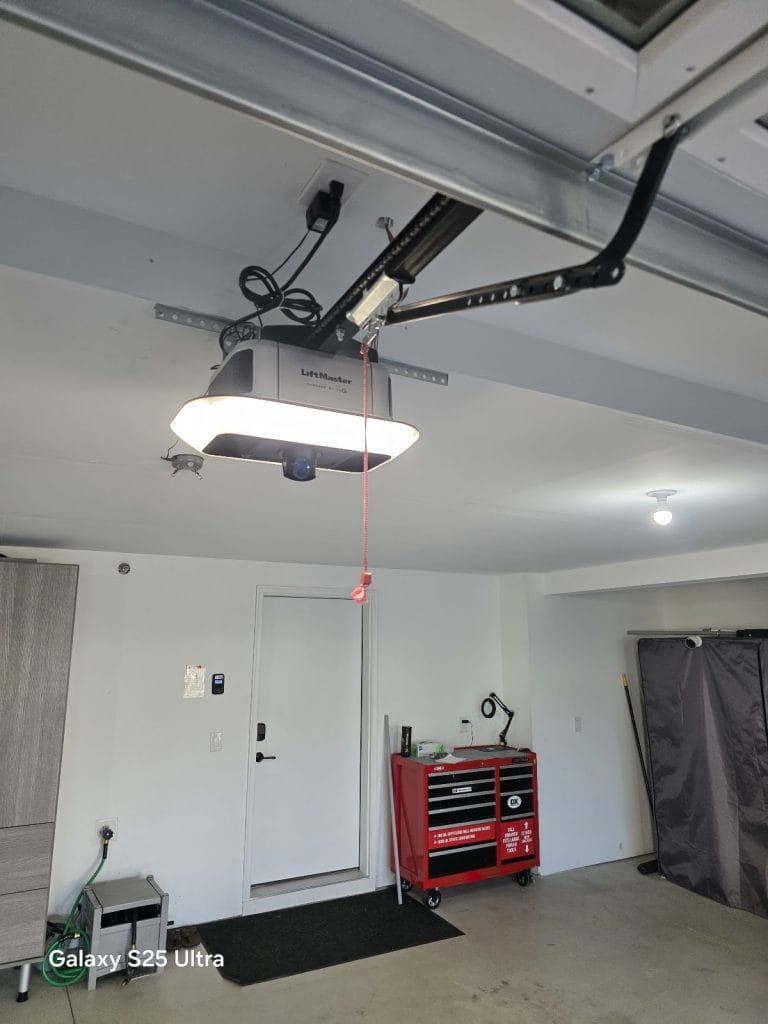
How to read the Up/Down arrow LED diagnostic codes on LiftMaster, Chamberlain and Craftsman openers, what the 10-flash light and the beeping mean, which codes you can fix yourself, and a 3-minute reset before you call.
How Much Does a Garage Door Weigh? Weights by Size, Material and Insulation (and Why It Decides Your Springs)
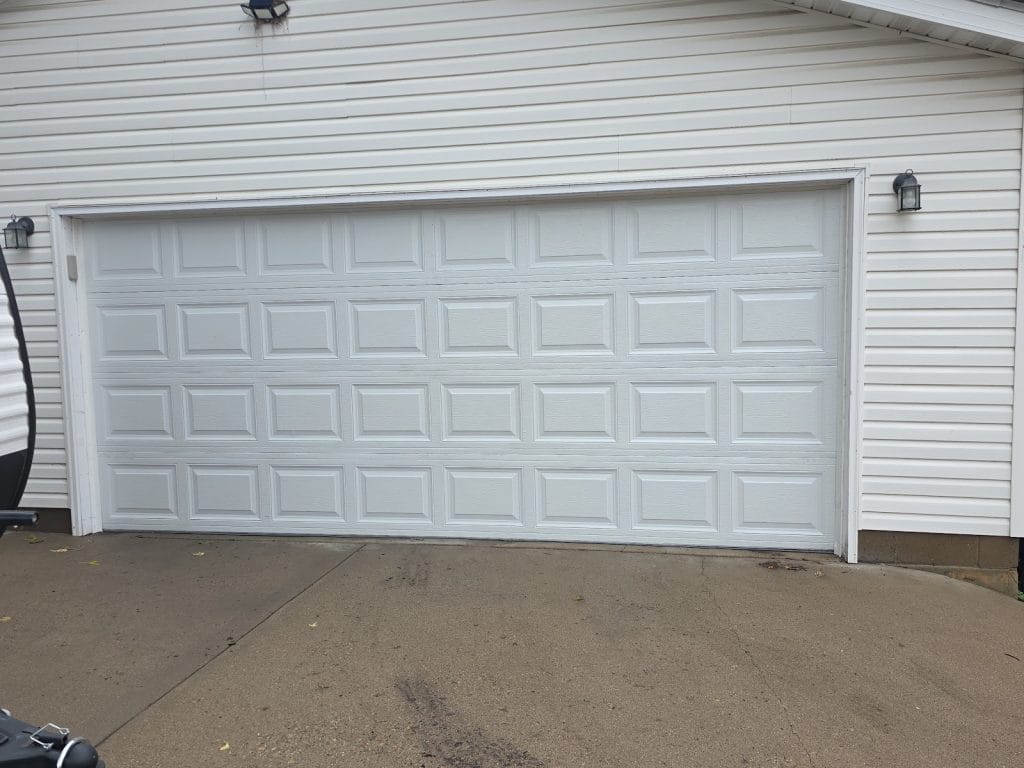
Typical garage door weights for 8×7, 9×7, 10×7, 16×7 and 18×7 doors in steel, insulated, polyurethane sandwich and wood, what insulation, windows and ice add, how a technician weighs a door, and why weight sizes the springs rather than the opener.
The Garage Door Emergency Release Cord: How to Use It Safely, When Not To, and How to Reconnect the Opener
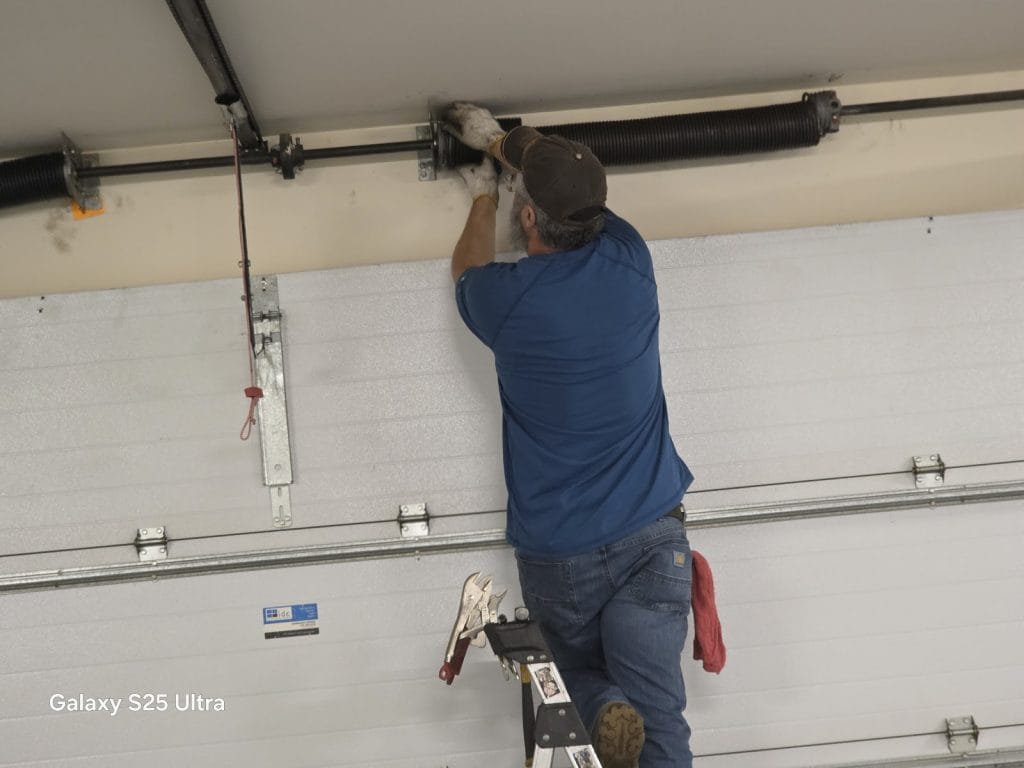
What the red cord does, how to open the door by hand in a power outage, the one situation where pulling it is dangerous (open door with a broken spring), how to re-engage the trolley, and what to do when you are locked out of a detached garage.
Garage Door Safety Sensors Explained: How Photo Eyes Work, What the Lights Mean, and How to Align Them (Minnesota Guide)
How garage door photo-eye sensors work, what the amber/green/red LEDs mean by brand, why snow, frost and low winter sun knock them out, a 5-minute alignment, and when the problem is really the force limit or the logic board.
Garage Door Rollers Explained: Nylon vs Steel, Ball Bearings, 2″ vs 3″ and Stem Length (Minnesota Technician’s Guide)
Roller sizes, stem lengths and bearing counts explained, why sealed 13-ball nylon rollers are the right choice in Minnesota, how rollers rust out from road salt, and which ones are safe to replace yourself.
Garage Door Bottom Seal Types Explained: T, Bulb, Bead, J and Threshold (and Which Survives a Minnesota Winter)
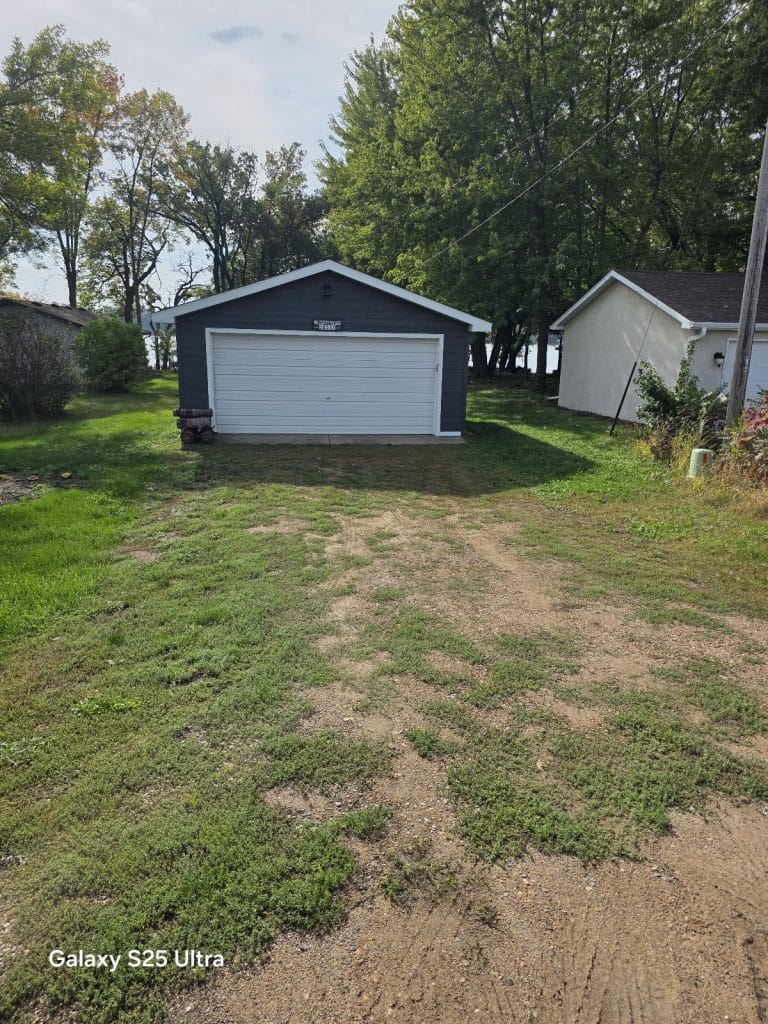
T-type, bulb, bead, J-type and floor thresholds compared, how to measure a replacement, why EPDM rubber beats vinyl below freezing, and how to free a seal frozen to the floor without wrecking the door. By a Twin Cities technician.
Belt vs Chain vs Screw vs Direct-Drive Garage Door Openers (and How Much Horsepower You Really Need)
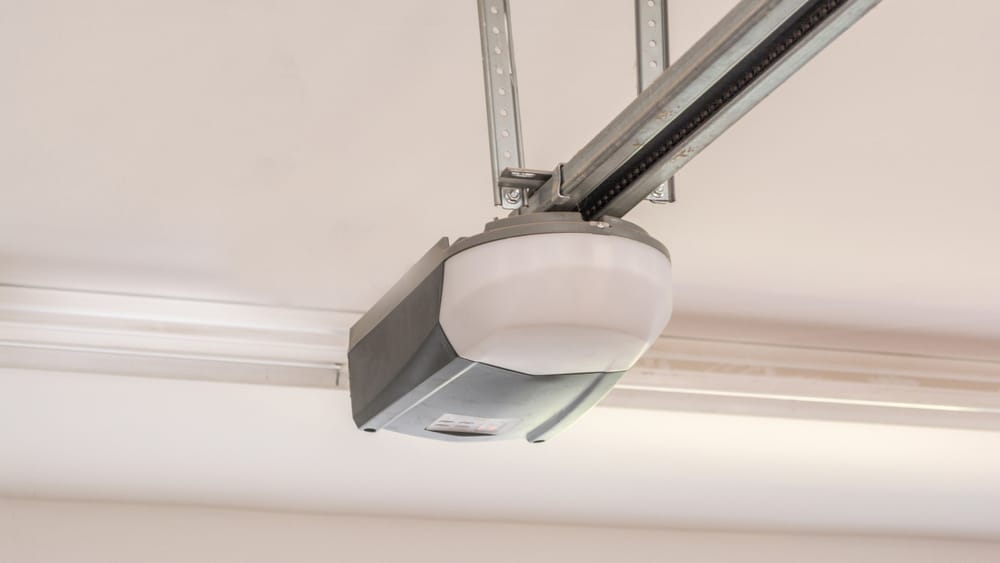
Chain, belt, screw, direct-drive and wall-mount openers compared for noise, Minnesota cold and cost, plus what horsepower actually means (the springs lift the door, not the motor). By a Twin Cities LiftMaster installer.
How to Measure for a New Garage Door: Opening, Headroom, Sideroom and Backroom (Minnesota Technician’s Guide)
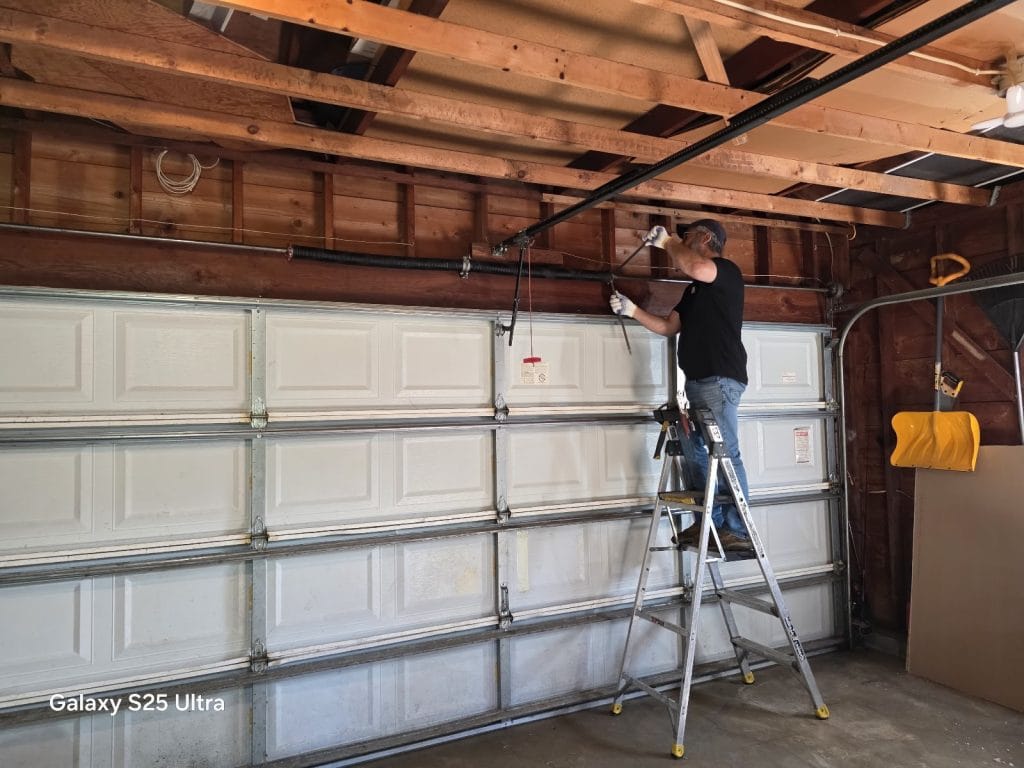
Five numbers decide which garage door and hardware fit: opening width and height, headroom, sideroom and backroom. A Twin Cities technician explains what each one decides, the standard clearances, and how to measure step by step.
Why Is My Garage Door Crooked or Uneven? (Minnesota Causes and Fixes)
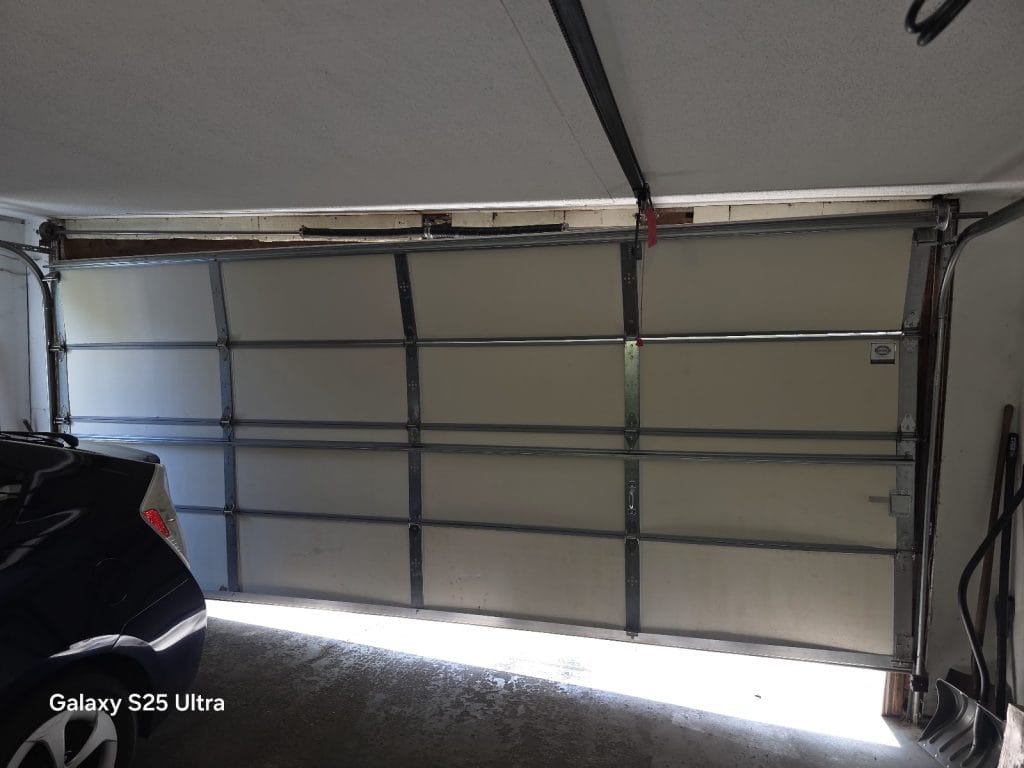
A crooked or uneven garage door almost always means a snapped lift cable (road salt rust) or a roller out of the track. Stop using the opener and call; here is what to check and what the repair involves.
Car, Snowplow or Storm Hit Your Garage Door? What to Do First (Minnesota)
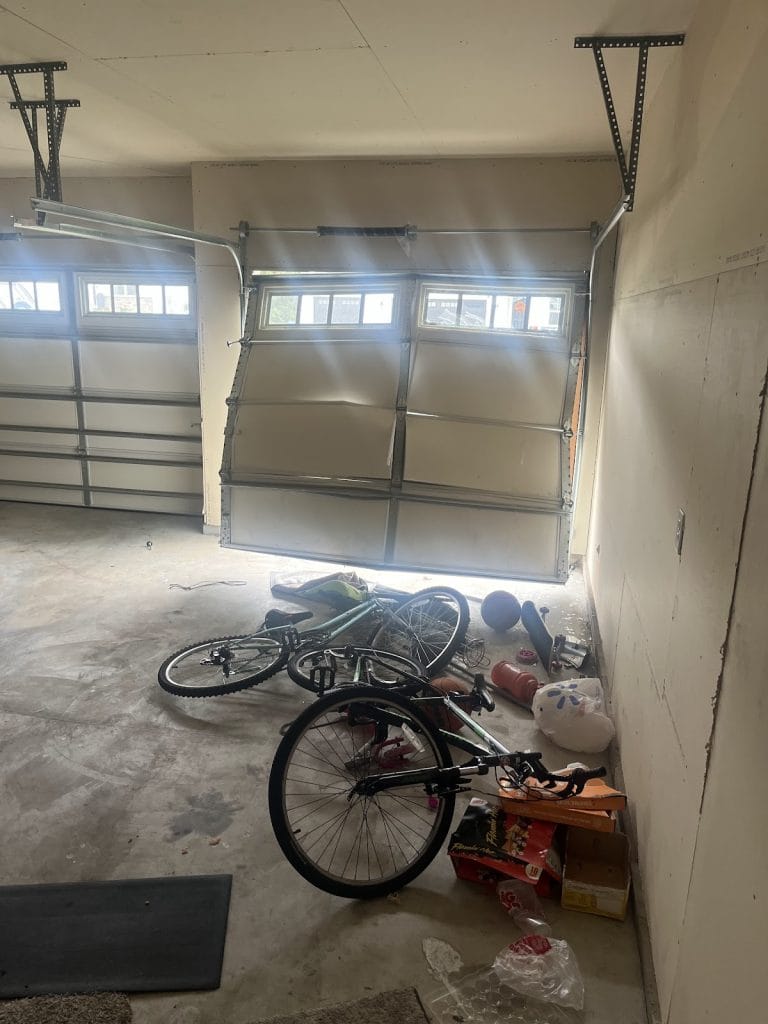
Quick answer: If a car, a snowplow pile or a storm damaged your garage door, stop using the opener, keep everyone away from the door, and unplug the opener. Take photos before anything is moved (for insurance), then call a garage door technician. A bent door under spring tension can fall or jump the track, […]